
When a drain in your home is clogged, it’s an understandably stressful situation. It disrupts your day and immediately has you thinking about how to fix the problem as quickly as possible.
As a leading plumbing company serving Frederick County and Carroll County, Maryland, our team at Clovis Plumbing has seen drain blockage situations of all types. Because of this hands-on experience, we’ve developed a strong understanding of what each type of clog requires and how homeowners can safely respond.
In many cases, calling a licensed plumber is the safest and most effective way to restore your home’s plumbing system. However, not every clog requires immediate professional intervention. For minor issues, there are a few practical steps you can take before making that call.
As you move through this guide, you’ll learn how to identify common causes of clogs, apply proven solutions, and recognize when it’s time to bring in a professional.
What Causes Most Drain Clogs in Your Home?
Before you attempt to fix a clogged drain, it helps to understand how the problem developed in the first place. In most cases, clogs don’t happen suddenly. Instead, they form gradually as materials build up inside your pipes.
For example, in your kitchen, grease is often the primary issue. While it may go down the drain as a liquid, it quickly cools and solidifies once inside your pipes. As this layer thickens, it begins to trap food particles, eventually restricting water flow.
Meanwhile, bathroom drains tend to clog for entirely different reasons. Hair plays a major role here, especially when it combines with soap scum and personal care products. Over time, this mixture creates dense blockages that cling to the inside of your pipes.
In addition to these everyday causes, there are also long-term factors to consider. Hard water, for instance, leaves behind mineral deposits that slowly narrow your pipes. In older homes, tree roots can even infiltrate underground lines, leading to more severe blockages.
Common Causes of Drain Clogs
- Grease, oil, and fat buildup in kitchen sinks
- Food waste such as coffee grounds, rice, and pasta
- Hair accumulation in bathroom drains
- Soap scum and hygiene product residue
- Mineral deposits from hard water
- Tree root intrusion in underground pipes
By recognizing what’s causing the issue, you can choose a solution that actually targets the problem instead of relying on trial and error.
Safe and Effective DIY Methods to Unclog Drains
Once you have a better understanding of the cause, the next step is choosing the right method to clear the clog. Fortunately, several safe and effective options are available that won’t damage your plumbing.
Use Hot Water to Break Down Buildup
To begin with, hot water is often the simplest solution. It works especially well for grease and soap residue, helping to loosen buildup along the pipe walls.
- Pour hot, NOT boiling, water slowly into the drain
- Repeat the process two to three times
- This is most effective for kitchen-related clogs
Although this method may seem basic, it can be surprisingly effective when the clog is minor and the technique is used early on.
Try a Plunger for Basic Blockages
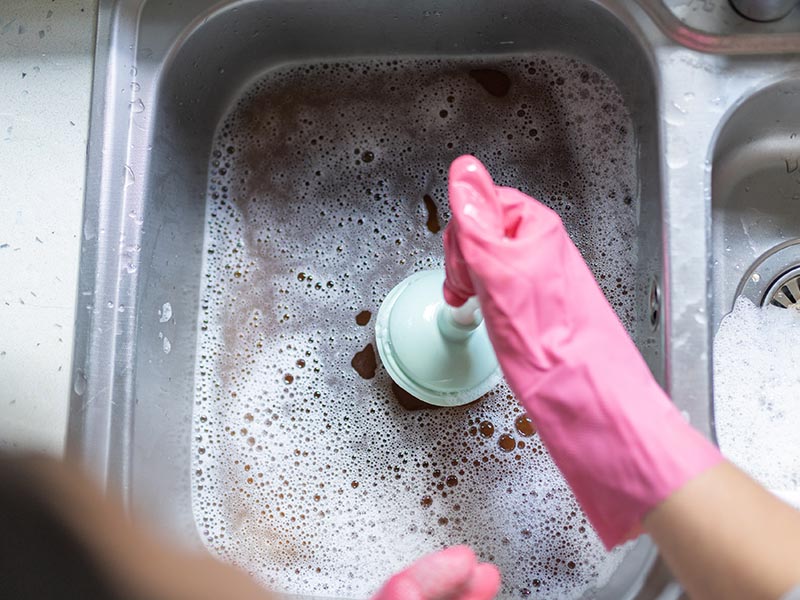
If hot water alone doesn’t solve the issue, a plunger is the next logical step. When used correctly, it creates pressure that can dislodge clogs.
- Ensure enough water covers the plunger head
- Create a tight seal over the drain
- Use steady, controlled motions
A plunger is a common and reliable solution for drain blockages caused by soft materials like toilet paper and organic waste.
Use Baking Soda and Vinegar Safely
For a more natural approach, baking soda and vinegar offer a safe alternative to chemical cleaners. Together, they create a reaction that helps break down organic material.
- Add ½ cup baking soda to the drain
- Follow with vinegar
- Let the solution sit for 15–20 minutes
- Flush with hot water
While this method won’t fix severe clogs, it works well for mild to moderate buildup.
What You Should Avoid When Trying to Fix a Clogged Drain
While knowing what you can safely do is important, understanding what to avoid is even more critical. In fact, many homeowners unintentionally make clogs worse by using the wrong techniques or tools. By recognizing these common mistakes, you can protect your plumbing system and avoid unnecessary damage.
Avoid Chemical Drain Cleaners
Although chemical drain cleaners promise fast results, they often do more harm than good. These products contain harsh, corrosive ingredients that can weaken your pipes over time. If the clog isn’t fully cleared, the chemicals can sit in your plumbing system and continue causing damage. As a result, what starts as a simple clog can turn into a much larger repair.
Be Cautious When Using Drain Snakes
With drain snakes readily available at hardware stores, it’s easy to assume they’re safe for DIY use. However, using one properly requires both technique and experience. Without the right approach, you risk pushing the clog deeper into the line or even damaging your pipes. In more severe cases, improper use can lead to additional blockages or costly repairs.
Avoid Using Excessive Force
When a clog doesn’t clear right away, it can be tempting to apply more pressure. However, excessive force—whether from plunging or snaking—can strain pipe connections or shift the blockage further down the system. Instead of solving the issue, this often makes it more difficult to fix later.
Don’t Repeatedly Flush a Backed-Up Drain
If water isn’t draining properly, continuing to run water through the system can quickly make the situation worse. Repeated flushing increases the risk of overflow, which can lead to water damage in cabinets, flooring, and surrounding areas. It’s always better to stop and reassess rather than forcing water through a clogged line.
Avoid Improvised Tools
Using makeshift tools like wire hangers may seem like a quick fix, but they can easily scratch or puncture your pipes. In some cases, these tools can even break off inside the drain, creating a more complicated blockage.
Because of these risks, it’s always best to rely on safe, proven methods rather than quick fixes that could backfire.
Warning Signs That Indicate a Bigger Plumbing Problem
Even when you take the right approach, some clogs go beyond what DIY methods can handle. Recognizing these situations early can prevent more serious damage.
Signs Your Drain Problem Is More Serious
- Multiple drains clogging at once
- Recurring clogs after repeated fixes
- Persistent foul odors
- Gurgling sounds from drains or toilets
- Water backing up in unexpected places
Rather than continuing to experiment with DIY solutions, this is the point where professional help becomes the safer option.
When It’s Time to Call a Licensed Plumber
Once it’s evident that your plumbing issue is more advanced than what safe DIY solutions can handle, the next step is to call a licensed plumber. Knowing exactly when that time has come is essential, as acting too late can lead to more extensive damage, higher repair costs, and unnecessary disruption to your home.
In many cases, the signs are clear. If you’ve already tried safe methods like hot water, plunging, or natural solutions without success, the problem likely goes deeper than a surface-level clog. At that point, continuing to experiment can actually make the situation worse.
There are also specific warning signs that should prompt immediate professional attention. Backups in multiple drains are often a sign of a sewer line issue and always require professional assistance. Similarly, recurring clogs that return shortly after being cleared suggest a deeper issue within your plumbing system that hasn’t been fully resolved.
You should also take foul odors and unusual sounds seriously. Persistent smells coming from your drains can signal trapped debris or sewer-related problems, while gurgling noises may indicate air trapped in the pipes due to a blockage. Both are signs that your system is under stress and needs professional evaluation.
Ultimately, calling a licensed plumber isn’t just about fixing the immediate issue; it’s about protecting your entire plumbing system. With the right tools, training, and experience, a professional can accurately diagnose the problem and provide a long-term solution, giving you confidence that the issue won’t return.
How You Can Prevent Future Drain Clogs
After resolving a clog, your focus should shift toward prevention. Fortunately, a few simple habits can make a significant difference over time.
Kitchen Drain Prevention Tips
To start, be mindful of what goes down your kitchen sink.
- Dispose of grease in the trash instead of the drain
- Use a strainer to catch food particles
- Run hot water after each use
These small adjustments can prevent buildup from forming in the first place.
Bathroom Drain Maintenance Tips
In the bathroom, regular maintenance plays a key role.
- Install hair catchers
- Clean drain stoppers frequently
- Avoid rinsing heavy product residue
By staying consistent, you reduce the chances of clogs developing over time.
General Maintenance Habits
In addition to room-specific habits, a few general practices can help:
- Flush drains weekly with hot water
- Use baking soda and vinegar monthly
- Avoid flushing non-flushable items
Altogether, these steps create a proactive approach that keeps your plumbing system running smoothly.
Take Control of Your Drain Issues with Confidence
Dealing with a clogged drain is something every homeowner encounters at some point, but how you respond makes all the difference. Taking the right initial steps can often resolve minor issues quickly, but just as importantly, recognizing when the problem goes beyond a simple fix helps you avoid unnecessary damage and frustration.
Instead of relying on guesswork or temporary solutions, it’s important to approach drain issues with a long-term mindset. That’s where having a trusted, local plumbing company becomes invaluable.
Clovis Plumbing has built a reputation throughout Frederick County and Carroll County for delivering dependable service, honest guidance, and lasting solutions. We offer a variety of services to address drain clogs, including drain cleaning, hydro jetting, and plumbing repairs.
If your drain isn’t clearing or you’re unsure about the next step, don’t wait for the problem to get worse. Contact Clovis Plumbing today to schedule your service and get your plumbing system back on track with confidence.