

A failing water heater can cause major disruptions to your day. Even worse, ignoring the warning signs can lead to water damage, mold growth, and rising utility bills. But if you know what to watch for and how to respond when your water heater starts acting up, you can address minor problems before they turn into costly emergencies.
As a leading plumber in Northern Maryland, Clovis Plumbing has seen its fair share of water heater disasters, and we’re here to help you avoid them. Whether you have a traditional tank water heater or a modern tankless system, there are 7 common indicators of trouble that you need to be aware of.
So keep reading to learn the signs that your water heater is about to fail and what they mean for your home.
1. Inconsistent or No Hot Water
If your hot water suddenly turns cold mid-shower or runs out faster than it used to, your water heater is likely struggling. Inconsistent temperatures are often the first noticeable sign of internal problems—whether you have a traditional tank water heater or a tankless system.
For tank water heaters, sediment buildup is one of the most common causes. Minerals from your local water supply settle at the bottom of the tank over time. This layer creates a barrier between the heating element or burner and the water, forcing the system to work harder while producing less heat. As the buildup increases, efficiency drops, and hot water recovery slows.
For tankless water heaters, temperature fluctuations are usually related to mineral scaling inside the heat exchanger, ignition issues, or restricted water flow. Because tankless systems heat water on demand, even small blockages or sensor malfunctions can cause inconsistent output. If the unit is undersized for your household’s demand, you may also experience sudden cold bursts when multiple fixtures run simultaneously.
What Causes Temperature Fluctuations?
For Tank Water Heaters:
- Sediment buildup inside the tank
- Failing heating elements or gas burners
- Malfunctioning thermostat
- Aging internal components
For Tankless Water Heaters:
- Mineral scaling in the heat exchanger
- Clogged inlet filter
- Ignition or flame sensor issues
- Unit undersized for household demand
If your household usage hasn’t changed but your hot water supply has decreased, the issue is almost certainly internal. Professional plumbing maintenance is the best solution, allowing for flushing, descaling, or targeted component replacement. Waiting too long increases strain on the system and raises the risk of complete failure.
2. Strange Noises Coming From the Unit
Your water heater should operate quietly in the background. If you begin hearing popping, rumbling, banging, or high-pitched whining, your system is under stress.
For tank water heaters, noise is commonly caused by sediment buildup. When the burner or heating element activates, steam pushes through that sediment layer, creating rumbling or popping sounds. As the buildup thickens, the system overheats to compensate, increasing strain on the tank lining.
Tankless water heaters can also produce unusual sounds. Mineral scaling inside the heat exchanger may restrict water flow and create a whining or vibrating noise. In some cases, ignition components or internal fans begin to struggle as the unit ages.
When Water Heater Noise Is a Red Flag
Persistent sounds may signal:
- Sediment or scale buildup restricting heat transfer
- Overheating inside the unit
- Internal component strain
- Increased risk of premature system failure
Flushing a tank water heater or descaling a tankless unit can often restore normal operation if caught early. Ignoring the issue, however, may shorten the lifespan of your system.
3. Rusty or Discolored Hot Water
If your hot water appears brown, cloudy, or metallic-smelling, corrosion may be occurring inside your plumbing system.
In tank water heaters, this usually points to a failing anode rod. The rod is designed to attract corrosive minerals, so the tank itself does not rust. Once it deteriorates completely, corrosion begins attacking the tank lining.
Tankless systems do not store water, so internal tank corrosion is not a concern. However, mineral scaling in the heat exchanger or aging hot water pipes can still cause discoloration.
You can help narrow down the source by running cold water first. If only the hot water appears discolored, the issue is likely tied to your water heating system.
Signs Corrosion May Be Advanced
- Persistent rusty tint in hot water
- Metallic odor when running hot taps
- Visible sediment or flakes
- Small leaks forming near the unit
Replacing the anode rod in a tank system may extend its lifespan if addressed early. Once corrosion spreads to the tank walls, replacement is typically the safest solution. For tankless systems, professional descaling and inspection can often restore efficiency.
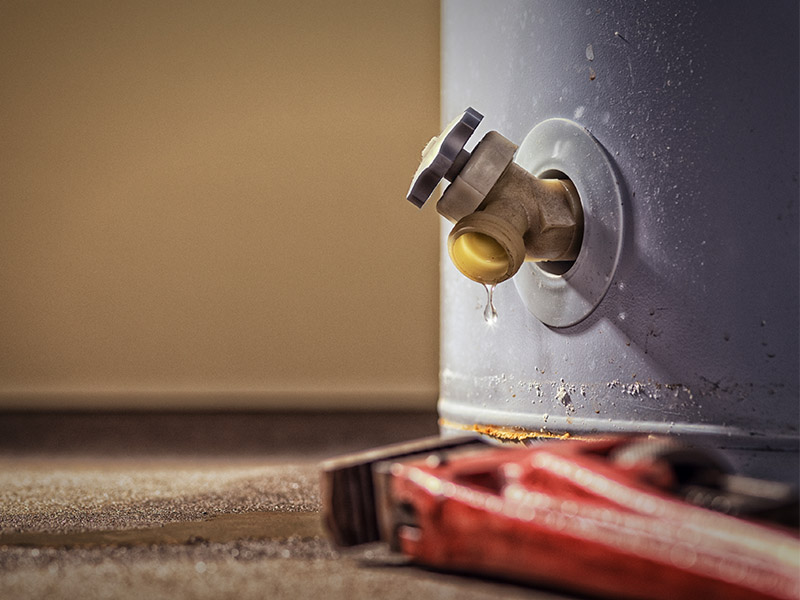
4. Water Pooling Around the Unit
Water around your water heater should never be ignored. Even minor pooling can indicate a developing leak.
In tank systems, leaks often occur when years of expansion and contraction weaken the tank lining. Once the tank itself cracks, repair is rarely possible. Instead, replacement is usually required because the structural integrity has been compromised.
Tankless water heaters can leak as well, though the source is often different. Loose fittings, worn gaskets, cracked heat exchangers, or internal valve failures may be responsible. The key difference is that tankless leaks are sometimes repairable if caught early.
What to Do Immediately
If you notice water around your water heater:
- Shut off power or gas if it is safe to do so
- Turn off the water supply valve
- Avoid standing water near electrical components
- Contact a licensed plumber promptly
Prompt action helps prevent structural damage, mold growth, and the need for flooring repairs. The longer a leak continues, the more expensive the consequences become.
5. Decreased Hot Water Pressure
When hot water pressure drops but cold water pressure remains normal, your water heater may be restricting flow.
In tank water heaters, sediment accumulation and corrosion can partially block outlet lines or interfere with the dip tube. As the buildup increases, water movement becomes restricted.
Tankless systems rely on precise water flow to activate heating elements. Mineral scale inside the heat exchanger or a clogged inlet filter can reduce flow and disrupt performance.
Common Causes of Low Hot Water Pressure
- Mineral buildup restricting internal flow
- Corroded plumbing connections
- Clogged inlet filters (tankless systems)
- Dip tube failure (tank systems)
Reduced pressure affects shower comfort, appliance efficiency, and overall system performance. Routine flushing for tank systems and descaling for tankless systems can often resolve the issue before it becomes severe.
6. Your Water Heater Is Over 10 Years Old
Apart from unexpected problems, age plays a major role in water heater reliability. Tank water heaters typically last between 8 and 12 years. After that point, the risk of leaks, inefficiency, and component failure increases significantly.
Tankless water heaters generally last longer, often 15 to 20 years with proper maintenance. However, longevity depends on consistent descaling and servicing. Without maintenance, mineral buildup can shorten a tankless water heater’s lifespan considerably.
Benefits of Proactive Water Heater Replacement
Replacing your system before total failure allows you to:
- Improve energy efficiency
- Reduce long-term operating costs
- Upgrade to properly sized equipment
- Avoid emergency plumbing situations
Planning ahead gives you control over your budget and installation timing instead of reacting to a sudden breakdown.
7. Rising Energy Bills Without Increased Usage
If your energy bills are climbing but your household habits have not changed, your water heater may be working harder than it should.
In tank systems, sediment buildup creates insulation between the burner and the water, forcing the unit to overheat to maintain temperature. Aging insulation also allows heat to escape, increasing cycling frequency.
In tankless systems, mineral scale reduces heat exchanger efficiency. As heat transfer declines, the system consumes more gas or electricity to achieve the same output.
Warning Signs of Efficiency Loss
- Longer heating times
- Higher monthly gas or electric bills
- Frequent system cycling
- Reduced hot water output
Upgrading to a modern, energy-efficient tank or tankless water heater can significantly reduce operating costs. A professional evaluation can determine whether maintenance will restore your current unit’s performance or if replacement offers better long-term value.
Work With Northern Maryland’s Trusted Plumbing Experts
Your water heater is essential to your home’s comfort and functionality. When it begins showing signs of failure, taking proactive steps protects your property, your budget, and your peace of mind.
Clovis Plumbing provides professional water heater services for homeowners throughout Frederick County and Carroll County. Whether you need a quick repair, routine maintenance, or an energy-efficient upgrade, our team delivers dependable plumbing solutions designed for long-term performance.
If your water heater is showing signs of trouble or if you want expert guidance on replacement options, contact Clovis Plumbing today.