
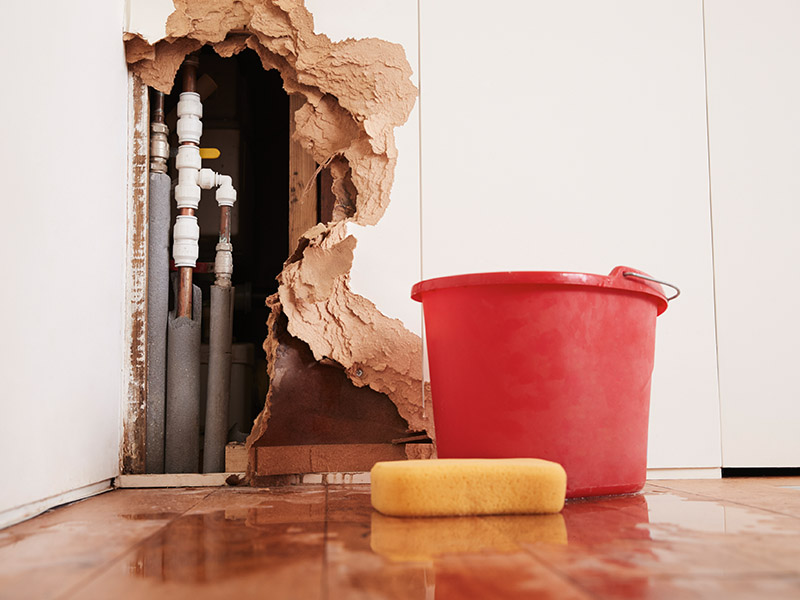
Plumbing problems are some of the most frustrating issues you can face as a homeowner, and they’re often the ones you want to avoid the most. The truth is, most plumbing emergencies don’t happen overnight. They develop gradually, usually giving you subtle warning signs that are easy to miss if you’re not paying close attention.
When you understand how your plumbing system works, you’re in a much better position to take control before small issues turn into major problems. A proactive approach doesn’t just protect your home, it also helps you avoid expensive repairs, water damage, and unnecessary stress.
We’ve created this guide to help you stay ahead of potential plumbing issues and feel more confident managing your home. Whether you’re dealing with aging pipes or simply want to prevent future problems, having a clear plan in place makes all the difference.
Understanding the Most Common Plumbing Emergencies
Most plumbing emergencies begin as minor issues that worsen over time. When you know what to look for, you can stop problems before they turn into major disruptions.
Leaky Pipes and Hidden Damage
Leaky pipes are one of the most common issues homeowners face. These leaks often develop due to corrosion, aging materials, or excessive water pressure. Even a small drip can lead to water damage, mold growth, and structural issues if it’s left untreated.
Hidden leaks are especially problematic because they can go unnoticed for long periods. You might not realize there’s an issue until you see water stains or notice a musty odor.
Drain Clogs and Blockages
Clogged drains develop as debris builds up inside your pipes. Common culprits include grease, soap residue, hair, and food waste. Over time, this buildup restricts water flow and can eventually cause complete blockages.
If multiple drains in your home start slowing down at the same time, it could indicate a clog in your main sewer line.
Water Heater Failures
Water heaters are essential for daily comfort, but they’re often overlooked until something goes wrong. Sediment buildup inside the tank reduces efficiency and can cause overheating or leaks.
Without regular maintenance, your water heater may fail unexpectedly, leaving you without hot water when you need it most.
Sewer Line Issues
Sewer line problems are among the most serious plumbing emergencies. Tree roots, shifting soil, and debris can damage or block your sewer line, leading to backups and unpleasant odors.
These issues require immediate attention to prevent health hazards and extensive property damage.
Understanding these common plumbing emergencies gives you the foundation you need to recognize problems early and take preventative action.
Early Warning Signs You Should Never Ignore
Your plumbing system often provides early signals when something isn’t functioning properly. Paying attention to these signs allows you to act quickly and avoid more serious issues.
If you notice any of the following, it’s time to investigate further:
- Sudden drop in water pressure
- Unusual noises like banging or gurgling pipes
- Higher-than-normal water bills
- Slow-draining sinks, tubs, or showers
- Water stains, damp spots, or mold growth
Each of these signs may seem minor on its own, but together they can indicate there’s a developing problem within your plumbing system.
What These Signs Mean for Your Home
A drop in water pressure often points to leaks or blockages. Unusual noises can signal trapped air or pressure imbalances. Rising water bills typically mean there’s a hidden leak wasting water over time.
Slow drains suggest buildup inside your pipes, which can eventually lead to complete blockages. Visible moisture or mold is a clear indication that water is escaping where it shouldn’t
Preventative Maintenance Tips for Homeowners
Preventative maintenance is one of the most effective ways to protect your plumbing system. When you stay proactive, you can extend the life of your pipes and reduce the likelihood of unexpected problems.
To keep your system running smoothly, follow these key steps:
- Inspect exposed pipes for leaks, corrosion, or damage
- Monitor and regulate water pressure to prevent strain
- Avoid pouring grease or oil down drains
- Use strainers to catch debris in sinks and showers
- Flush your water heater annually to remove sediment
- Insulate pipes in colder areas of your home
- Call a plumber as soon as you notice an issue
These simple actions can significantly reduce wear and tear on your plumbing system.
Why Consistency Matters
Maintenance isn’t a one-time task. Regular inspections and upkeep help you catch issues early and prevent them from escalating. Small efforts today can save you from major repairs in the future.
When you make plumbing maintenance part of your routine, you’re creating a more efficient and reliable system that supports your home year-round.
Seasonal Plumbing Preparation Strategies
Your plumbing system faces different challenges throughout the year. Preparing for these changes helps you stay ahead of potential problems and maintain consistent performance.
Spring and Summer Maintenance
As temperatures rise, it’s important to check for damage caused during winter. Inspect outdoor faucets, sump pumps, and visible pipes for leaks or wear.
Increased water usage during summer can also reveal hidden issues. Regularly checking hoses and outdoor fixtures helps you address problems before they worsen.
Fall Readiness Checklist
Preparing your plumbing for colder weather in the fall is essential:
- Disconnect and drain outdoor hoses
- Shut off exterior water supplies if possible
- Inspect your system for any vulnerabilities
Winter Preparation Tips
Cold temperatures can cause pipes to freeze and burst. To help protect your system:
- Insulate exposed pipes
- Keep your home heated consistently
- Allow faucets to drip during extreme cold
By adjusting your maintenance routine with the seasons, you can keep your plumbing system operating efficiently all year long.
When to Call a Professional Plumber
While many preventative steps can be handled on your own, some plumbing issues require professional expertise. Knowing when to call a plumber can help you avoid further damage and ensure the problem is fixed properly the first time.
You should contact a professional if you’re experiencing:
- Persistent or recurring leaks
- Frequent or multiple drain clogs
- Water heater issues like inconsistent temperatures
- Sewer line backups or foul odors
- Sudden and unexplained water damage
These problems often point to deeper issues that can’t be resolved with basic maintenance alone.
A licensed plumber doesn’t just fix the visible problem. They use advanced tools and proven solutions to address the root cause. Services like drain and sewer cleaning can remove stubborn blockages deep within your system, while professional leak detection helps locate hidden leaks behind walls or under floors without unnecessary damage.
In addition, expert plumbing repair ensures damaged pipes and components are restored correctly, preventing repeat issues. If outdated or faulty fixtures are part of the problem, plumbing fixture installation can improve both performance and efficiency throughout your home.
Ready to Protect Your Home from Plumbing Emergencies?
Working with a trusted, local plumber gives you more than just access to plumbing services. It gives you confidence that your system is being handled with the right tools and the right experience.
Clovis Plumbing has built a reputation across Frederick County and Carroll County for delivering exactly that kind of dependable service. Homeowners turn to us because they want plumbing solutions that last, clear communication, and work done right the first time.
If you’ve been putting off a plumbing concern or simply want to make sure everything is in good shape, schedule your service with Clovis Plumbing today. We’ll help you maintain your plumbing system and stay ahead of major problems.