
When your well system starts acting differently, you may immediately wonder whether you’re facing a minor repair or a major replacement. Low water pressure, sputtering faucets, unusual pump noises, and inconsistent water flow can all make the situation feel urgent.
However, those symptoms don’t always reveal which part has failed. Your well pump, pressure tank, controls, and water line work together, so a problem with one component can affect the entire system. Before you replace anything, you need an accurate diagnosis. Understanding the difference between well system repair and replacement will help you make a practical decision for your home.
Start by Understanding How Your Well System Works
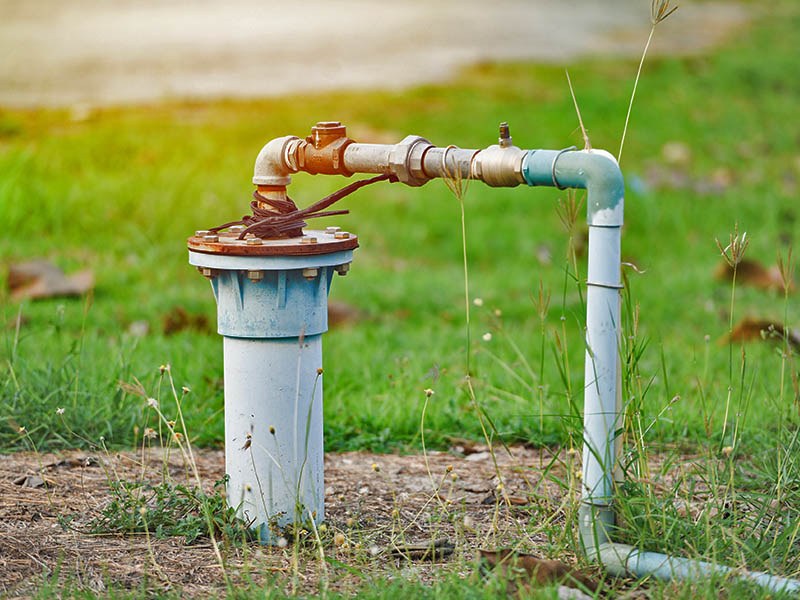
Your well system uses several connected components to move water from the ground into your plumbing. The well pump draws the water, while the well water line carries it toward your home. The pressure tank stores pressurized water and helps limit how often the pump needs to start.
A pressure switch controls the pump based on changes in system pressure. Electrical connections, valves, fittings, filters, and other plumbing components also support normal operation.
Because the system is interconnected, the source of a problem isn’t always obvious. Low water pressure may point to a struggling pump, but it could also result from a leaking water line, a pressure tank issue, a clogged filter, or a faulty control.
That’s why we recommend beginning with a well system inspection rather than assuming the most expensive component has failed. A complete diagnosis allows you to address the actual problem instead of paying for a repair or replacement that won’t restore dependable performance.
When Well System Repair Is Usually the Better Option
Repair often makes sense when the problem is isolated, the affected equipment is still in serviceable condition, and the proposed work should provide a lasting correction.
Not every performance change means your system needs new equipment. A smaller component can sometimes fail while the pump, tank, and water line remain in good condition.
The Failure Is Limited to a Serviceable Part
Pressure switches, controls, electrical connections, valves, and fittings can affect the operation of your well system. When one of these parts fails, replacing or repairing it may restore normal water service without requiring a new pump or tank.
For example, you might experience inconsistent pressure even though the pump can still move water properly. If testing shows that the pressure switch isn’t responding as intended, correcting that issue may be all your system needs.
The same principle can apply to an accessible plumbing connection or a localized water line problem. If the damage hasn’t affected the surrounding equipment, a targeted repair may offer dependable results at a lower cost than replacement.
The Equipment Has a Reliable Service History
A repair may also make sense when your pump or pressure tank is relatively new and hasn’t caused repeated problems.
Age alone shouldn’t determine your decision. Still, equipment that has operated reliably and needs its first minor repair is different from equipment that has required several service visits in a short period.
Your service records can provide helpful context. Try to keep track of:
- Installation dates
- Previous diagnostic findings
- Components that have been repaired
- Parts that have been replaced
- Changes in pressure or performance
- Dates when the system stopped working
These records help you identify whether you’re dealing with one isolated failure or an ongoing pattern. They also give our team more useful information when we evaluate your system.
The Repair Provides Meaningful Long-Term Value
A lower repair price doesn’t automatically make repair the best choice. The work should restore dependable operation for a reasonable period, not simply delay another failure.
Repair may offer good value when the failed part is readily available, the remaining equipment is in suitable condition, and there’s no evidence of widespread deterioration.
Before making your decision, ask what caused the problem and whether another component contributed to it. You should also understand whether the proposed repair addresses the source of the failure or only the immediate symptom.
Once you’ve confirmed that the issue is isolated, comparing the repair cost with the condition of the equipment can help you decide whether keeping the existing component makes sense.
When Well System Replacement May Be More Practical
Replacement becomes a stronger option when a major component is no longer dependable, repairs are becoming frequent, or performance continues to decline.
Although replacement usually costs more upfront, it can help you avoid repeated service calls and ongoing interruptions to your water supply. The goal isn’t to replace equipment simply because it’s older. The goal is to stop investing in a component that can no longer perform reliably.
You’ve Needed Several Recent Repairs
One repair doesn’t mean your well system is nearing the end of its useful life. Multiple repairs within a short period may indicate a larger problem.
You may have already replaced a control, repaired an electrical connection, or addressed a pressure issue. If another failure appears soon afterward, it’s worth considering whether the primary component is deteriorating.
Review your recent repair expenses and the amount of disruption each problem has caused. Frequent failures can interfere with bathing, cooking, laundry, cleaning, and other basic household needs.
A planned replacement may be more manageable than waiting for the system to stop working unexpectedly. It also gives you an opportunity to make the decision based on professional findings rather than an emergency.
The Component Can’t Maintain Normal Performance
A well system component doesn’t need to stop working completely before replacement becomes appropriate. Declining performance can be just as important as total failure.
You may notice that your water pressure is weaker than it used to be, the pump runs for longer periods, or the system struggles when multiple fixtures are in use. These changes can signal that a component is no longer meeting your home’s demand.
However, those symptoms don’t automatically confirm that the pump needs replacement. We first need to determine whether the cause is the pump, tank, water line, control system, or another plumbing issue.
Replacement becomes more reasonable when testing confirms that the affected component can’t deliver reliable performance and a repair isn’t likely to provide an effective long-term solution.
Compatible Parts Aren’t Readily Available
Repairing older well equipment can become difficult when compatible parts are no longer available or supported.
Even when a temporary solution can be found, it may not provide the reliability you need. You could also face the same challenge when another aging part fails.
In that situation, replacement may make future service easier and reduce uncertainty. Before you approve new equipment, you should understand why the existing component can’t be repaired effectively and how the recommended replacement will work with the rest of your system.
Should You Repair or Replace Your Well Pump?
Your well pump is responsible for moving water from the well into your home, but it shouldn’t be blamed for every pressure or flow problem.
A pump problem may be suspected when you notice:
- Reduced or inconsistent water pressure
- Longer-than-normal pump cycles
- Frequent clicking near the controls
- Air or sputtering at the faucets
- Unusual pump noise
- No water reaching the house
These warning signs justify a professional inspection, but they don’t prove that the pump itself has failed. A leaking water line, faulty pressure switch, damaged pressure tank, or electrical issue can create similar symptoms.
Well pump repair may be possible when the pump remains in workable condition and the problem involves a serviceable control, connection, or related component. Replacement may be more practical when testing shows that the pump can’t produce adequate flow or pressure, has stopped operating, or has become unreliable after previous repairs.
Proper Pump Selection Matters
When replacement is necessary, the new pump must be suitable for your well system and household water needs.
A pump that isn’t properly matched to the system may struggle to meet demand or cycle in a way that places unnecessary stress on other components. For that reason, pump replacement shouldn’t be based only on the specifications of the old unit.
Our team considers the condition of the existing system and the water needs of the home before recommending well pump installation or replacement. The objective is to restore consistent performance while making sure the new pump works correctly with the pressure tank and controls.
After the pump has been evaluated, the pressure tank should also be considered. The two components depend on one another for efficient operation.
Should You Repair or Replace Your Pressure Tank?
Your pressure tank stores pressurized water and reduces the number of times your well pump must turn on. When the tank isn’t working correctly, the pump may cycle more frequently and your water pressure may become less consistent.
Possible signs of a pressure tank problem include:
- Rapid pump cycling
- Repeated clicking
- Noticeable pressure fluctuations
- Weak or inconsistent water flow
- Water near the tank
- Irregular pressure gauge readings
Some pressure problems can be corrected by servicing a related control or adjusting the system after a professional evaluation. A pressure tank with physical damage, leakage, or significant deterioration may need replacement instead.
Continuing to operate the system with a faulty pressure tank may place additional demand on the pump. That’s why the tank shouldn’t be viewed as a separate, unrelated issue.
Tank Condition and System Compatibility Guide the Decision
Before recommending pressure tank repair or replacement, we evaluate how the tank is performing within the full well system.
A tank must work with the pump and controls to maintain appropriate pressure. Replacing the tank without identifying a separate pump or control problem may leave the original symptom unresolved.
If the tank remains in serviceable condition and the failure involves a repairable component, repair may be appropriate. If it can’t maintain pressure or shows damage that prevents reliable operation, replacement may provide a better result.
Once the pump and pressure tank have been evaluated, the next place to look is the line that carries water into your home.
When the Well Water Line Is Causing the Problem
Your underground well water line connects the well system to your home’s plumbing. Since most of the line is out of sight, a leak or damaged section may be difficult to identify without professional troubleshooting.
A water line problem can reduce pressure and force the pump to run longer as the system tries to compensate for lost water. In that situation, replacing the pump won’t correct the underlying failure.
Signs that may point to a well water line issue include:
- Low or fluctuating pressure throughout the home
- Air entering the plumbing
- A pump that runs longer than expected
- Reduced flow at multiple fixtures
- Damp or unusually soft ground near the line
- A problem that gradually becomes more noticeable
These symptoms should be considered alongside pump and pressure tank performance. One symptom alone may not identify the failed component.
The appropriate solution depends on the location and condition of the damaged line. A localized issue may require a focused repair, while more extensive deterioration may call for a broader solution.
Clovis Plumbing provides well water line repair as part of our well system services. We locate the source of the problem and recommend work based on the condition we find rather than assuming the pump or tank is responsible.
Questions to Ask Before Approving Well System Work
You deserve a clear explanation before deciding between well system repair and replacement. A recommendation should identify the failed component, explain how it affects your water service, and outline why the proposed solution is appropriate.
Use the following questions to guide the conversation.
What Part of the System Has Failed?
Ask whether the problem involves the pump, pressure tank, pressure switch, water line, electrical connections, or another plumbing component.
You should also ask how the diagnosis was reached. Understanding the source of the problem can help you avoid replacing a working component based only on a shared symptom such as low pressure.
Is the Problem Isolated?
A repair is more appealing when the surrounding components remain in good condition. If several areas show wear or reduced performance, fixing only one part may not provide the reliability you expect.
Ask whether the failure affected another component or resulted from a separate system issue. For example, a pressure tank problem may contribute to excessive pump cycling, while a leaking water line may cause the pump to run longer.
What Results Should You Expect From the Repair?
You should understand whether the proposed repair is expected to restore normal operation or provide a temporary solution.
Mechanical equipment can’t come with a guarantee of indefinite performance. Still, your plumber should explain the condition of the component and whether repair offers reasonable long-term value.
How Does Replacement Compare With Continued Repair?
The decision shouldn’t be based only on today’s invoice. Consider the full picture, including:
- The component’s condition
- Its repair history
- The cost of the proposed work
- The likelihood of another failure
- Ongoing water pressure problems
- The disruption caused by repeated service
- Whether replacement parts remain available
This comparison helps you choose based on reliability and value rather than the lowest immediate price.
Will the Replacement Work With Your Existing System?
A replacement pump or pressure tank must function properly with the other well system components.
Ask how the recommended equipment was selected and whether any additional adjustments will be needed. A clear answer should connect the replacement to the condition and operation of your current system.
Once you’ve made the repair-or-replacement decision, ongoing attention can help you recognize future problems earlier.
How to Reduce the Risk of an Unexpected Well System Failure
You can’t prevent every equipment failure, but you can respond quickly when the system’s behavior changes.
Pay attention to water pressure, pump sounds, flow at your fixtures, and how often the pump appears to run. A sudden change may provide an early warning that part of the system needs service.
You should arrange an inspection when you notice:
- Persistent low water pressure
- Pressure that rises and falls unexpectedly
- Frequent pump cycling
- A pump that runs continuously
- New or unusual system noises
- Air or sputtering at several faucets
- Water around the pressure tank
- A sudden loss of water
Avoid repeatedly resetting a breaker or control when the same problem returns. Although a reset may restore water temporarily, it doesn’t identify or correct the cause.
Clovis Plumbing’s well system inspections and diagnostics include evaluating pump performance, electrical connections, water pressure, and overall system condition. By scheduling service when performance first changes, you may be able to address a developing issue before it causes a larger interruption.
Get Help from the Well System Experts at Clovis Plumbing
Choosing between well system repair and replacement comes down to the condition of the failed component, the reliability of the remaining equipment, and the value each option provides. The first step is confirming what’s actually wrong.
Clovis Plumbing provides well system inspections and diagnostics, well pump installation and replacement, pressure tank installation and repair, and well water line repair. We serve homeowners in Frederick County and Carroll County and will explain our findings so you can make an informed decision about your home.
Don’t let a change in pressure or pump performance turn into a complete loss of water. Contact Clovis Plumbing today to request well system service and receive a practical recommendation based on your system’s condition.