
Low water pressure can make everyday tasks frustrating and inefficient. Whether your shower barely rinses properly or your kitchen faucet takes too long to fill a pot, weak water flow is often a sign that something in your plumbing system needs attention. In many cases, low water pressure points to underlying plumbing issues that can gradually worsen if left unresolved.
While some water pressure problems have simple fixes, others may indicate hidden leaks, pipe corrosion, failing plumbing components, or larger system issues. Understanding the most common causes of low water pressure can help you recognize warning signs early, avoid unnecessary damage, and restore dependable water flow throughout your home.
Mineral Buildup in Faucets and Showerheads
One of the most common causes of low water pressure is mineral buildup inside faucets, showerheads, and plumbing fixtures. If your home has hard water, minerals like calcium and magnesium gradually collect inside the small openings where water flows.
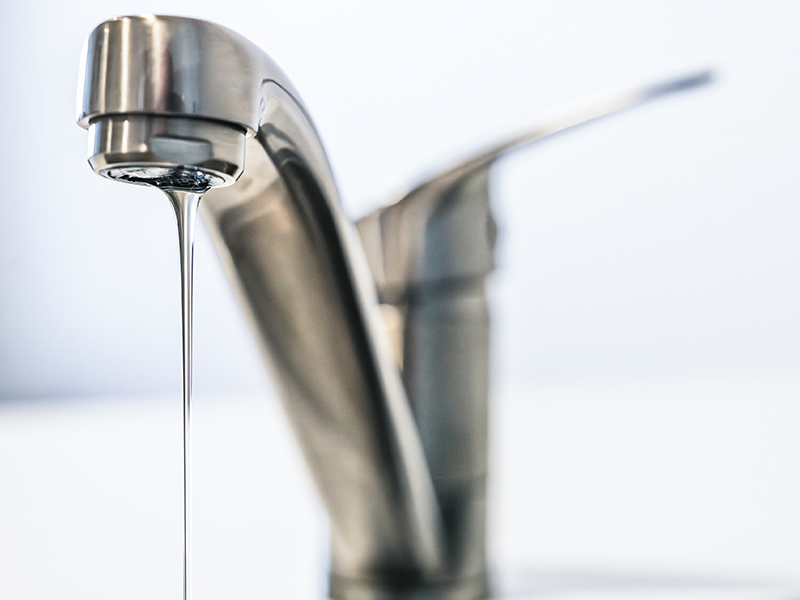
Over time, these deposits restrict water movement and reduce pressure at individual fixtures. You may notice uneven spray patterns in your shower or slower water flow from kitchen and bathroom faucets.
In many cases, homeowners assume there is a major plumbing issue when the problem is isolated to one fixture. Fortunately, this is often one of the easiest plumbing problems to fix.
You can remove the faucet aerator or showerhead and soak it in white vinegar for several hours to dissolve mineral buildup. After rinsing and reinstalling the fixture, water pressure may improve immediately.
If the buildup continues returning, hard water could be affecting your entire plumbing system. These mineral deposits can eventually impact pipes, water heaters, and appliances throughout your home.
Installing a water softener may help reduce buildup and improve long-term plumbing performance. If cleaning fixtures does not solve the problem, a professional plumber can inspect your system for larger restrictions affecting water flow.
Hidden Plumbing Leaks Can Reduce Water Pressure
Hidden plumbing leaks are another major reason homeowners experience low water pressure. Even a small leak behind a wall, under a floor, or beneath your yard can reduce the amount of water reaching your fixtures.
Because these leaks are often hidden, pressure problems may be the first warning sign you notice.
You should also watch for other signs of hidden leaks, including:
- Higher-than-normal water bills
- Damp drywall or flooring
- Mold or mildew growth
- Musty odors
- Running water sounds when fixtures are off
Ignoring leaks can lead to structural damage, mold problems, and expensive repairs. That’s why early leak detection is essential for protecting both your plumbing system and your home.
Professional plumbers use advanced leak detection equipment to locate hidden plumbing issues without causing unnecessary damage to walls or floors. Once repairs are completed, your water pressure often returns to normal while helping prevent further water damage and wasted water.
Faulty Pressure Regulators and Partially Closed Valves
While hidden leaks can reduce water pressure gradually, some plumbing issues cause sudden pressure changes throughout your entire home. In many cases, the problem may be linked to a faulty pressure regulator or a partially closed shut-off valve.
A pressure regulator controls the amount of water pressure entering your home. When it begins failing, you may notice weak water flow affecting multiple fixtures at once. Similarly, a shut-off valve that was not fully reopened after plumbing repairs can restrict water movement throughout the system.
If low pressure is occurring across your house, check that the main shut-off valve near your water meter is fully open. When the valve appears normal, but pressure remains low, a professional plumber can test the regulator and restore balanced water pressure safely.
Aging and Corroded Pipes Restrict Water Flow
Older plumbing systems often experience low water pressure because of pipe corrosion and deterioration. Over time, rust and mineral buildup narrow the inside of metal pipes, reducing the amount of water that can pass through.
Galvanized steel pipes are especially prone to corrosion as they age. Many older homes still contain these outdated pipes, which can create recurring plumbing issues.
In addition to weak water pressure, corroded pipes may also cause:
- Rust-colored water
- Recurring leaks
- Inconsistent water temperatures
- Unusual plumbing noises
Because pipe corrosion develops slowly, many homeowners adjust to declining water pressure without realizing how severe the problem has become.
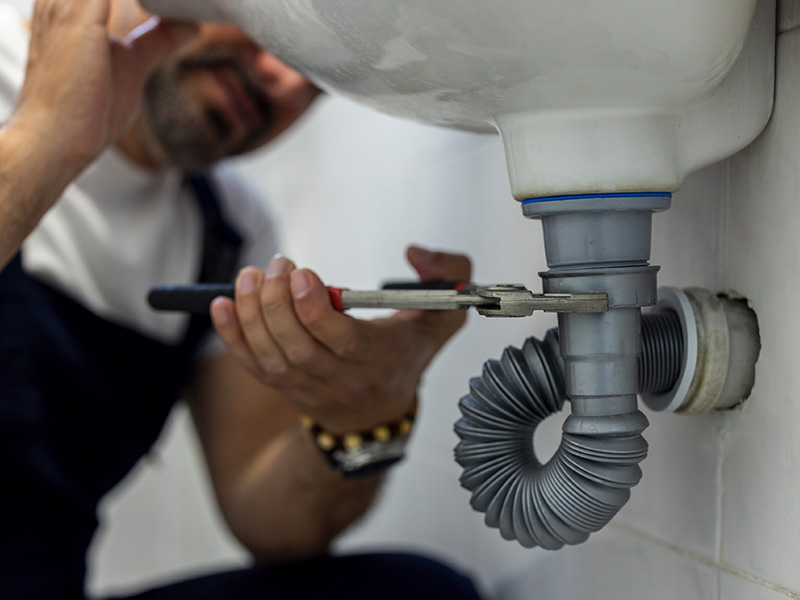
A professional plumbing inspection can determine whether aging pipes are the cause of restricted water flow. In some cases, replacing a damaged section of pipe improves pressure significantly.
For homes with widespread corrosion, repiping may provide the best long-term solution. Modern piping materials like copper and PEX improve water flow, reduce maintenance needs, and increase plumbing reliability.
Replacing outdated pipes can also help prevent future leaks and emergency plumbing repairs.
Municipal Water Supply Problems and Peak Usage Times
Not every water pressure problem originates inside your home. In some cases, the issue may be tied to your local municipal water supply. Water main repairs, utility maintenance, and periods of heavy demand can temporarily reduce pressure throughout your neighborhood.
You may notice weaker water flow during peak usage hours in the early morning or evening when more households are showering, cooking, and running appliances at the same time. Seasonal demand can also play a role, especially during summer when outdoor watering and irrigation systems increase overall water usage.
Before assuming your plumbing system is the problem, check whether nearby neighbors are experiencing similar issues. If pressure problems occur regularly, a plumber may recommend a water pressure booster system to help maintain stronger, more consistent flow throughout your home.
Simple Maintenance Tips to Improve Water Pressure
Preventive plumbing maintenance can help you avoid many common water pressure problems while improving the long-term performance of your plumbing system. Staying proactive often helps reduce repair costs and prevents small issues from turning into major plumbing repairs.
Clean Faucets and Showerheads Regularly
Mineral buildup inside faucet aerators and showerheads can gradually restrict water flow. Cleaning these fixtures regularly helps maintain consistent water pressure and improves overall performance.
Check for Small Leaks
Inspect visible plumbing connections around sinks, toilets, and appliances for signs of leaks. Catching small plumbing issues early can help prevent larger water pressure problems later.
Pay Attention to Sudden Pressure Changes
If water pressure suddenly drops, do not ignore it. Abrupt changes may signal hidden leaks, failing valves, pipe corrosion, or other plumbing problems that can worsen over time.
Schedule Routine Plumbing Inspections
Annual plumbing inspections and service help identify early signs of leaks, aging pipes, and pressure regulator issues before they lead to more expensive repairs. Preventive inspections are one of the best ways to maintain reliable water pressure.
Maintain Your Water Heater and Water Quality
Hard water can contribute to mineral buildup inside pipes and fixtures, increasing the risk of recurring pressure problems. Having your water heater flushed at least every 1-3 years also helps remove sediment that can affect hot water pressure and system efficiency.
Routine maintenance helps protect your plumbing system, improve efficiency, and keep water pressure consistent throughout your home.
Restore Reliable Water Pressure With Clovis Plumbing
If low water pressure is disrupting your daily routine, professional plumbing service can help identify the problem before it leads to larger repairs. From hidden leaks and aging pipes to pressure regulator issues, diagnosing the root cause is the key to restoring dependable water flow.
Clovis Plumbing proudly serves homeowners throughout Frederick County and Carroll County with trusted plumbing repairs, inspections, and maintenance services. Our team focuses on honest recommendations, quality workmanship, and long-term plumbing solutions that help keep your home running efficiently.
Contact our team today to schedule a professional inspection and restore strong, consistent water pressure throughout your home.