
A dripping faucet or slow-draining sink might seem like an easy weekend project. With countless online tutorials available, it’s tempting to grab your tools and handle plumbing repairs yourself. But what happens when a simple fix turns into a flooded bathroom or an expensive pipe replacement?
When comparing DIY plumbing vs. professional plumbers, the difference goes beyond convenience. Your safety, your home’s plumbing system, and long-term repair costs are all at stake.
Understanding which plumbing tasks you can safely handle and when to hire a professional plumber helps you protect your property, avoid unnecessary expenses, and make informed maintenance decisions.
DIY Plumbing vs. Professional Plumbing: What’s the Difference?
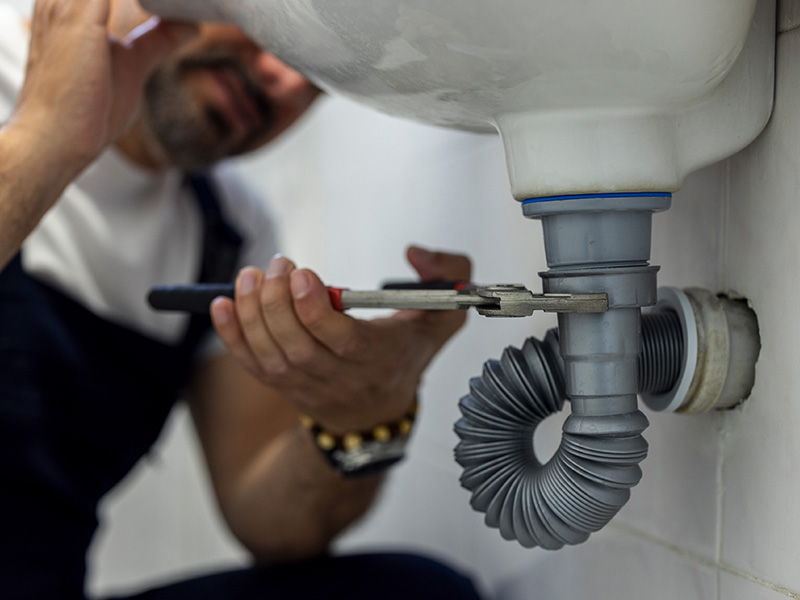
DIY plumbing involves completing repairs, installations, or maintenance without professional assistance. You might replace a showerhead, unclog a sink, or fix a running toilet using basic tools and online instructions.
While some minor tasks are manageable, your home’s plumbing system is more complicated than it appears. Water supply lines, drains, vents, and fixtures must work together to maintain reliable performance.
Professional plumbers have specialized training and experience working with these interconnected systems. They can evaluate problems, determine which components need attention, and perform repairs using appropriate materials and techniques.
For example, moisture beneath your kitchen sink might appear to come from a loose drain connection. However, the source could be a deteriorating supply line or damaged fitting. Identifying the actual problem helps prevent unnecessary repairs and continued water damage.
The Hidden Safety Risks of DIY Plumbing Repairs
Your plumbing system delivers clean water throughout your home while removing wastewater. When repairs are performed incorrectly, the consequences can extend beyond a minor inconvenience.
Some of the most significant risks of DIY plumbing include:
- Water damage: Improper connections can cause leaks behind walls or beneath flooring.
- Mold growth: Undetected moisture can create conditions that encourage mold.
- Contaminated water exposure: Sewer backups can expose you to harmful microorganisms.
- Water heater hazards: Incorrect repairs can create electrical, gas, or scalding risks.
- Damaged components: Excessive force or incompatible materials can weaken fittings and pipes.
These problems aren’t always immediately apparent. A newly installed faucet might function normally while a loose connection slowly releases water beneath the sink.
Professional plumbers know how to recognize potential hazards, select appropriate materials, and test completed repairs. Their experience can help reduce the risks associated with unfamiliar or complicated plumbing work.
Is DIY Plumbing Really Cheaper Than Hiring a Professional?
Saving money is one of the biggest reasons homeowners attempt plumbing repairs themselves. Purchasing replacement parts and avoiding labor charges can make DIY plumbing seem like the more affordable option.
However, the initial expense doesn’t always reflect the total cost, especially when an unsuccessful repair creates additional problems.
How DIY Mistakes Increase Repair Costs
Consider a clogged kitchen drain. You purchase a chemical drain cleaner, but the blockage remains. Next, you disassemble the drain assembly and accidentally damage a connection during reinstallation.
Now, you’re dealing with both the original clog and a new leak. What started as a minor inconvenience may require replacement parts, cleanup, and professional repairs.
Certain chemical drain cleaners can also damage plumbing components or create safety hazards when used improperly. Choosing an appropriate drain-cleaning method can help you avoid unnecessary complications.
Professional plumbing services may cost more upfront, but proper installation and accurate repairs can provide better long-term value. When comparing costs, consider the likelihood of repeated repairs, potential property damage, and the expected lifespan of the solution.
Why Professional Plumbers Provide More Reliable Results
Professional plumbing expertise develops through technical training and hands-on experience with different pipe materials, fixtures, drainage systems, and installation requirements.
This knowledge allows plumbers to evaluate how individual components affect the rest of your home’s plumbing system, particularly when a problem has several possible causes.
Accurate Plumbing Diagnostics
Suppose your shower suddenly develops weak water pressure. You might assume the showerhead needs replacing, but the issue could involve mineral buildup, a faulty valve, or a restriction elsewhere in your water supply.
A professional plumber can investigate the possible causes before recommending repairs. This approach helps you avoid replacing functioning components while overlooking the actual problem.
Accurate diagnosis is especially valuable when plumbing symptoms appear in multiple areas of your home. Instead of relying on trial and error, you can make repair decisions based on a clearer understanding of the system.
Specialized Tools and Plumbing Code Knowledge
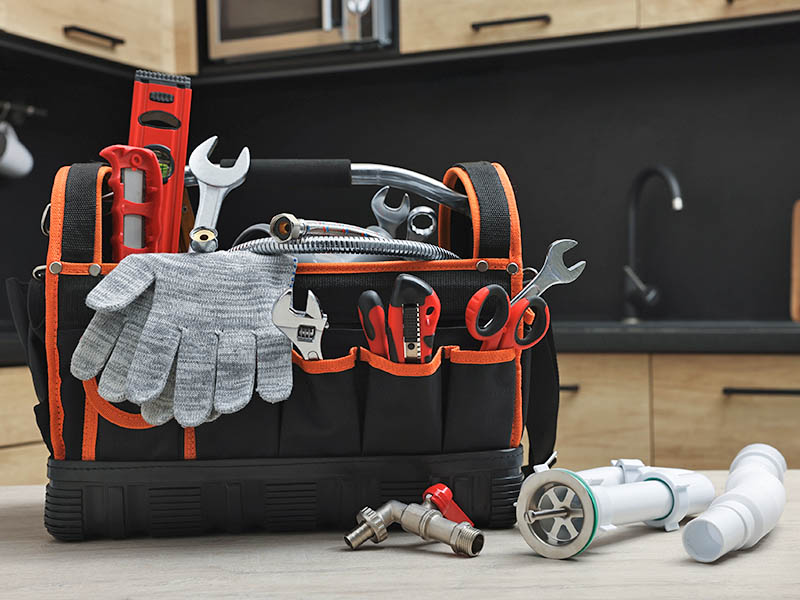
Some plumbing problems require equipment that most homeowners don’t have readily available. Depending on the situation, professional plumbers may use:
- Drain-cleaning machines for stubborn blockages.
- Inspection cameras to examine sewer lines.
- Leak-detection equipment to locate concealed leaks.
- Pressure-testing tools to evaluate plumbing connections.
Beyond equipment, professional plumbers understand applicable plumbing codes and installation requirements. Incorrect pipe sizing, inadequate venting, or improper drainage slopes can create recurring problems and potential code violations.
This expertise is particularly valuable when remodeling bathrooms, relocating fixtures, or replacing major plumbing components. A properly planned installation helps support dependable operation and compliance with applicable requirements.
Plumbing Projects You Can Safely Handle Yourself
Not every plumbing task requires professional assistance. Basic maintenance can help you keep fixtures functioning properly without making complicated changes to your plumbing system.
Several routine tasks are generally suitable for homeowners with basic tools and clear instructions:
- Clean faucet aerators to remove mineral buildup.
- Replace an accessible showerhead.
- Plunge a minor toilet clog.
- Remove visible hair from drain covers.
- Check exposed pipes for moisture.
- Inspect beneath sinks for leaks.
Even straightforward maintenance requires care. Avoid forcing stuck fittings, overtightening connections, or using unfamiliar chemicals. If a task becomes more complicated than expected, stopping before you cause damage is usually the better choice.
When to Stop a DIY Plumbing Repair
If a project requires cutting pipes, modifying water supply lines, accessing concealed plumbing, or working with gas or electrical connections, professional assistance is generally safer.
You should also stop if a repair produces unexpected leaks, requires unfamiliar equipment, or involves components you don’t understand. Recognizing your limits can prevent a manageable plumbing issue from becoming an expensive emergency.
Plumbing Problems That Require a Professional Plumber
Certain plumbing problems can affect your home’s safety, sanitation, or essential utilities. Recognizing warning signs early can help you determine when a repair shouldn’t be delayed.
Persistent Drain and Sewer Blockages
A single slow drain may indicate a localized clog. However, multiple slow drains, recurring backups, or wastewater appearing in unexpected fixtures can suggest a deeper drainage problem.
For example, if flushing your toilet causes water to rise in a nearby shower, the blockage may involve a shared drain or sewer line.
A professional evaluation can help identify the location and cause of the blockage so an appropriate repair method can be selected.
Hidden Water Leaks
Unexpected increases in your water bill, damp walls, musty odors, and unexplained reductions in water pressure may indicate concealed leaks.
Because the affected pipe could be behind drywall or beneath flooring, locating the source can be difficult without specialized equipment. Professional leak detection can help narrow down problem areas and support targeted repairs.
Water Heater Problems and Burst Pipes
Inconsistent hot water, visible corrosion, unusual noises, or moisture around your water heater shouldn’t be ignored. A professional inspection can help determine whether repairs or replacement are appropriate.
Burst pipes require more immediate attention. If you discover a major leak, shut off your home’s main water supply if you can safely access it, avoid electrical hazards near standing water, and contact a professional plumber. Acting quickly can help limit property damage and prevent continued water loss.
How Professional Plumbing Maintenance Protects Your Home
You don’t need to wait for a major leak or sewer backup to have your plumbing system evaluated. Preventive plumbing maintenance can help identify aging components, developing leaks, and other conditions that may affect performance.
For example, replacing a deteriorating toilet supply line before it fails is generally simpler than repairing water-damaged flooring afterward. Addressing worn connections and leaking valves early can also help reduce avoidable water waste.
Routine maintenance may reveal excessive water pressure or mineral buildup that contributes to fixture wear. Depending on your home’s plumbing system, a professional can help determine which components need attention and which remain in good condition.
Staying informed about your system’s condition allows you to plan maintenance and replacement expenses more effectively. You’ll also be better prepared to recognize changes that could indicate a developing problem.
How to Choose the Right Professional Plumbing Company
Finding a dependable plumber involves more than choosing the first company that appears in your search results. You want someone who communicates clearly, explains recommended repairs, and helps you understand your options before work begins.
Before hiring a plumber, consider asking:
- Does the company meet applicable licensing and insurance requirements?
- Will you receive a clear explanation of the problem?
- Can you review an estimate before approving repairs?
- Are workmanship warranties available?
- Does the plumber have experience with your particular issue?
These questions can help you evaluate your options and understand what to expect before committing to plumbing repairs.
We understand how disruptive plumbing problems can be for homeowners. Clovis Plumbing believes you deserve straightforward communication and a professional approach when addressing your plumbing concerns.
Whether you’re dealing with a troublesome fixture, suspected leak, or more complicated plumbing issue, we’re here to help you determine an appropriate next step.
Protect Your Home With Professional Plumbing Services From Clovis Plumbing
DIY plumbing can be useful for basic maintenance, but complicated repairs require the right training, tools, and experience. Knowing when to hire a professional plumber helps you avoid unnecessary risks, protect your property, and make smarter long-term decisions.
We understand how important dependable plumbing is to your everyday comfort. Whether you’re dealing with an unexpected problem or planning repairs, we’re here to help you address your plumbing concerns with confidence.
Don’t let a small plumbing issue become an expensive repair. Contact Clovis Plumbing today to discuss your plumbing needs and take the next step toward protecting your home.